The Issue
Modern dairy farms face increasing pressure to produce more milk with fewer resources while reducing environmental impact. Feed is an obvious target, given that its production, transport, storage, preparation and delivery account for approximately 35–40% of a cow’s carbon footprint. Methane emissions, water use, electricity consumption and land management are other key components of a farm’s sustainability profile.
Fortunately, improving sustainability doesn’t have to mean producing less; it’s about producing smarter. Healthy, feed efficient cows can produce the same volume of milk with fewer inputs and decreased emissions with proper management.
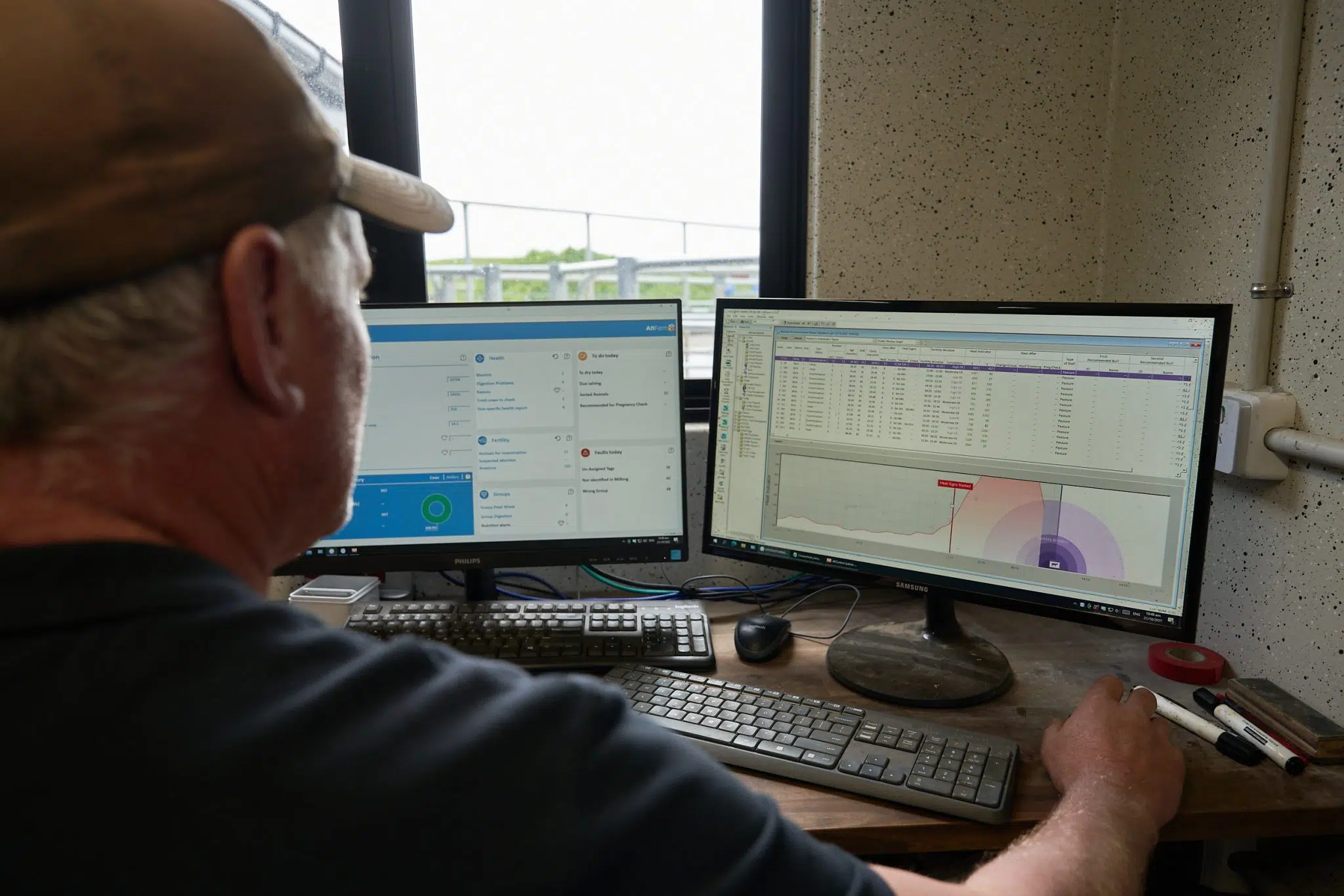
Sustainability and profitability are not opposing goals; they are one and the same. Afimilk helps dairies optimize milk production, animal health and resource utilization through continuous monitoring and data-driven management, which in turn:
The link between measurable environmental stewardship and stronger financial performance is clear.
Identify and positively influence the largest contributor to a cow’s carbon footprint.
Small efficiency gains in parlor and herd management equates to significant reduction of environmental impact.
Healthier cows and more productive cows.
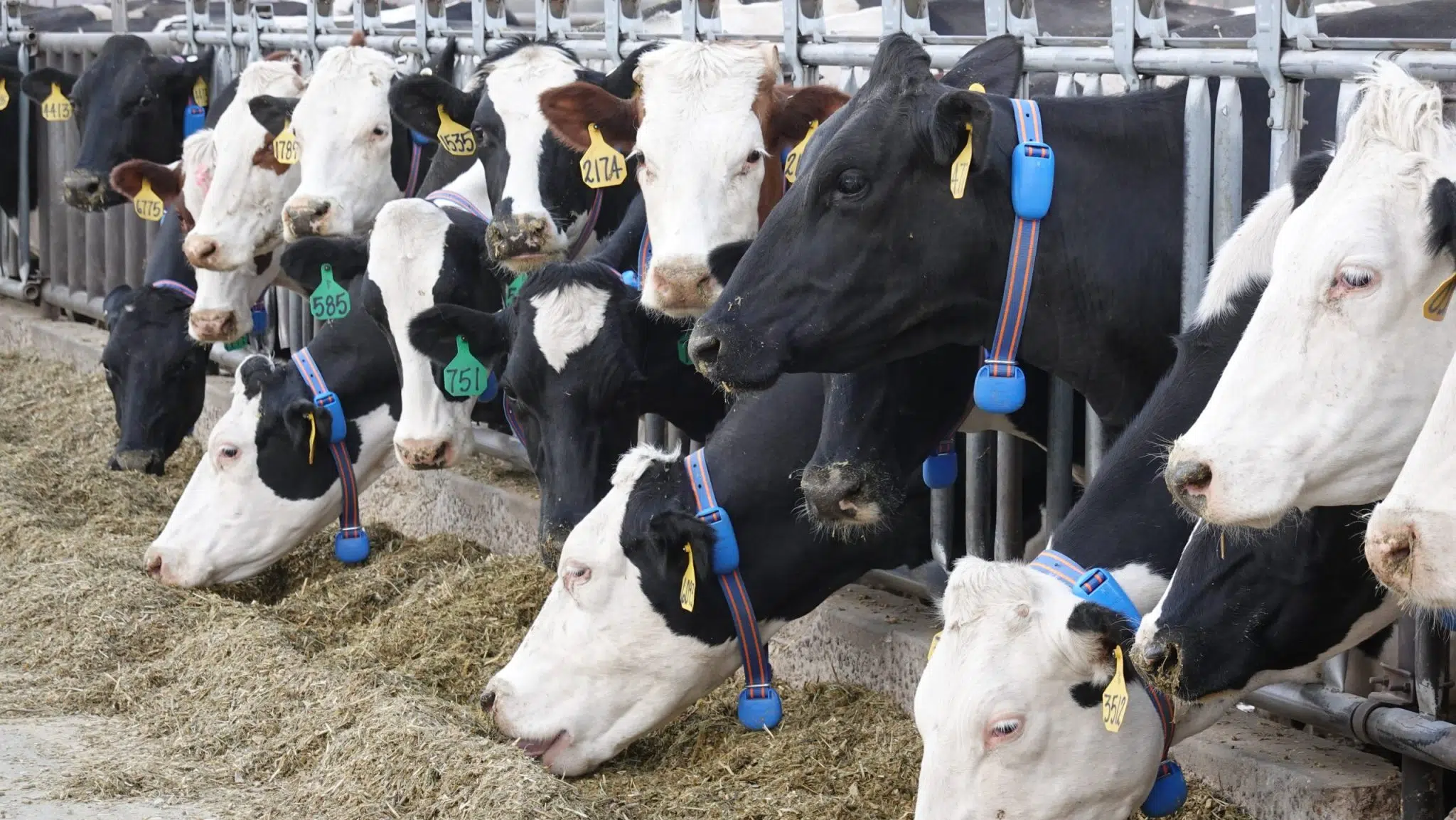
Feed represents 35-40% of a cow’s carbon footprint. Improving feed efficiency across the herd offers one of the largest ways to measurably impact sustainability. The AfiCollar Feed Efficiency Service delivers:
Small efficiency gains across thousands of cows can amount to significant environmental impact reductions.