


Heat stress in dairy cows is one of the most expensive problems on a dairy, and one of the easiest to underestimate. Cows can begin to feel the effects at temperatures as low as 80°F (27°C), and in humid conditions that threshold drops even lower. By the time you notice cows crowding the shade, panting or bunching around the water trough, the damage to production, fertility and health is already underway. The farms that stay ahead of it share one thing in common: they measure heat stress instead of guessing at it.
More Than a Milk Dip
When a cow overheats, she eats less to reduce the metabolic heat that digestion generates, and she diverts energy away from production toward simply staying cool. The result is an immediate loss of milk yield and solids. The cost doesn’t stop at the bulk tank. Heat stress disrupts normal reproductive cycles, suppresses estrus behavior and compromises embryo development, pulling conception rates down for weeks after the temperatures spike. Add a higher incidence of disease, and a single stretch of hot weather can leave a financial hangover that lasts well into the fall.
Why the Thermometer Isn’t Enough
A temperature-humidity index tells you what the environment is doing, but not how your cows are responding to it. And the traditional walk-the-pens approach catches heat stress only after cows are already suffering. It is too little, too late, and highly inaccurate, because individual cows respond differently and the animals paying the steepest production penalty are not always the ones showing the most obvious signs.
Cow Monitoring That Sees Heat Stress First
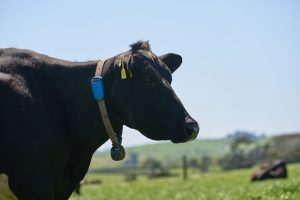
This is where continuous cow monitoring changes the game. AfiCollar tracks rumination and eating around the clock, capturing the earliest physiological response to heat long before a person would notice it in the pen. Rumination drops as cows begin to struggle, giving managers a clear, data-based signal of when a group is entering heat stress.
Just as valuable, the same data confirms whether your cooling response is working: when soakers or fans kick on, the rumination recovery that follows shows whether the intervention actually relieved the herd or simply ran up the water bill. AfiFarm rolls this up to the group level, so a manager can watch heat stress build across the herd over a 72-hour window and act before production slides.
A Smarter Summer Breeding Strategy
Heat stress monitoring pays a second dividend in the breeding pen. Summer conception is notoriously difficult, and many farms lean on timed-AI programs that can run $20 to $50 per cow per protocol before semen, only to see disappointing results because heat stress masks estrus. Pairing heat stress detection with AfiCollar activity-based heat detection lets you add only the cows showing genuine natural heat to the breeding list, breeding fewer cows with a higher rate of success.
“Our heat detection rate went way up. When you can increase that 10 to 15 percent… you’re getting more animals pregnant.” — Kaleb Whitby, Lash Legacy Dairy
Heat stress will never disappear from the summer forecast, but its cost no longer has to be a surprise. With AfiCollar and AfiFarm, heat stress shifts from an invisible drain to a managed, measurable part of your operation. Talk with an Afimilk specialist about building heat stress monitoring into your herd this season