


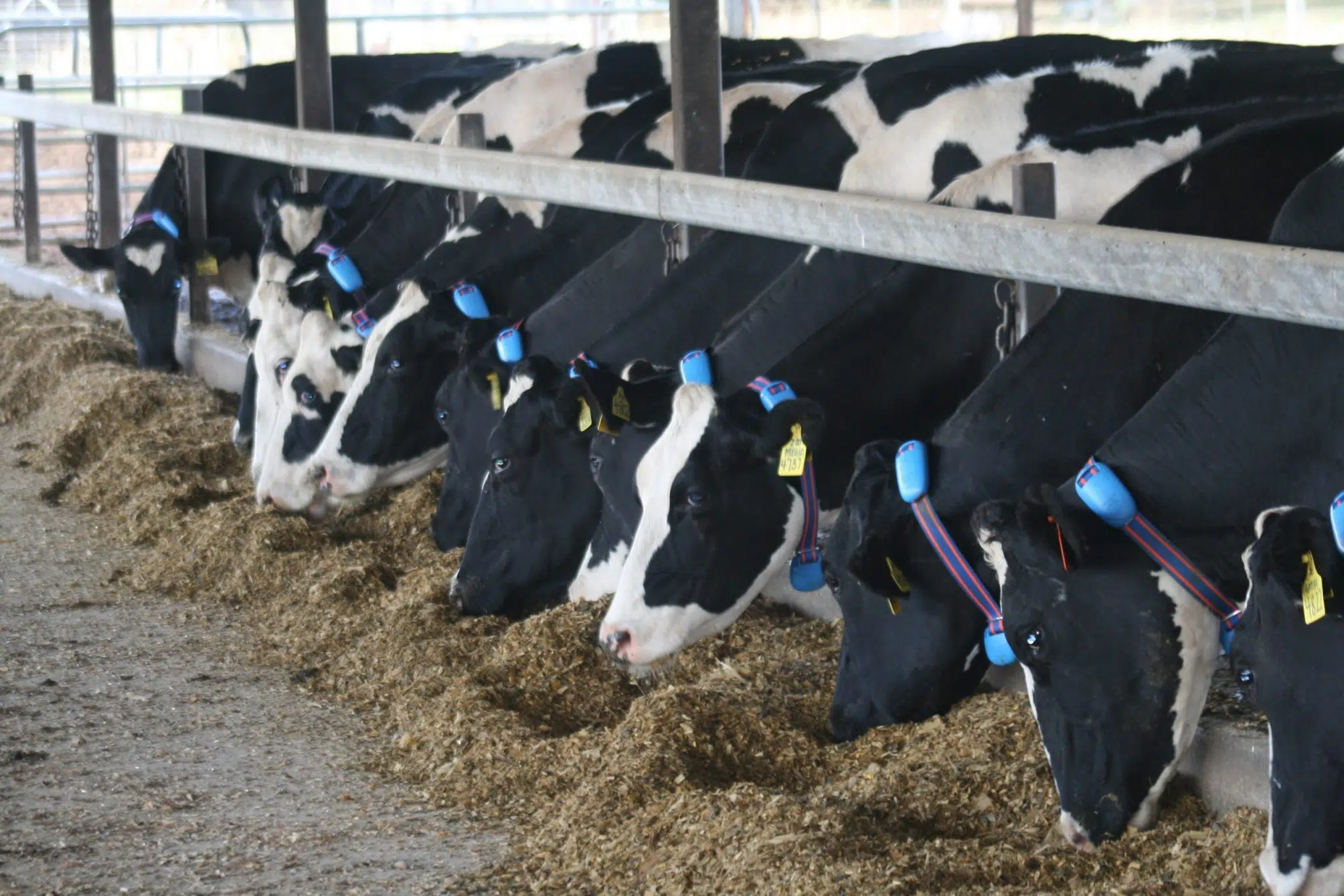
Every dairy producer has seen it – a cow lying comfortably, chewing her cud in steady rhythm. That simple act, cow rumination, is one of the clearest windows into a cow’s health.
Rumination is the process of regurgitating partially digested feed, rechewing it and swallowing it again to aid digestion. It reflects proper rumen function, adequate fiber intake, comfort, hydration and metabolic status. When rumination is consistent, the rumen is functioning properly. When rumination changes, something in the cow’s system has shifted.
Because digestion sits at the center of dairy cow performance, changes in cow rumination are often one of the earliest biological indicators that health challenges are developing.
Why Does Cow Rumination Change?
Rumination is tightly connected to dry matter intake, rumen motility and overall comfort. Any stressor that affects feed intake, inflammation, body temperature or metabolic balance can reduce rumination. Common causes of decreased rumination include:
- Fever or systemic infection
- Digestive upset or acidosis
- Pain or inflammation
- Heat stress
- Transition-related metabolic disorders
Cow Rumination and Early Disease Detection
What makes cow rumination particularly valuable is timing. Rumination often declines before visible clinical signs appear and before milk yield drops, making it a leading indicator of cow status.
- Mastitis and Systemic Infections
Inflammation places metabolic stress on the cow. Even before milk visibly changes or swelling becomes obvious, cows frequently reduce feed intake and rumination.
Research has shown that reduced rumination is associated with clinical mastitis and other inflammatory conditions.¹ As the immune system activates, cows divert energy away from production and digestion, leading to measurable declines in rumination time.
Because this shift can occur early in the disease process, changes in rumination can help identify cows needing evaluation sooner, potentially reducing disease severity, treatment costs and long-term production losses.
- Ketosis and Metabolic Disorders
In early lactation, cows are in negative energy balance. When intake lags behind demand, ketone production rises and appetite can decline. Reduced appetite leads directly to reduced rumination.
A cow that fails to recover rumination levels after calving may be at increased risk for ketosis or other metabolic complications. Monitoring rumination trends during the fresh period helps differentiate between a normal calving dip and a delayed metabolic recovery.
Healthy transition cows typically show a brief drop in rumination around calving, followed by a steady rebound. Failure to rebound is often the first sign that intervention is needed.
- Heat Stress
Heat stress suppresses feed intake as cows prioritize thermoregulation. When intake drops, rumination drops.
Unlike visual observation alone, tracking cow rumination during hot weather helps quantify stress load. If rumination remains suppressed overnight, cooling strategies may need adjustment. Prolonged rumination decline during heat events often precedes measurable losses in milk yield and reproductive performance.
- H5N1 and Emerging Disease Events
The importance of cow rumination as an early health indicator became especially clear during recent H5N1 outbreaks in dairy cattle.
In a 2025 study evaluating a large commercial herd using Afimilk® monitoring data, rumination began declining approximately five to seven days before clinical diagnosis. That decline also preceded sharp reductions in milk production. Clinically affected cows ultimately lost an average of approximately 900 kg of milk over 60 days.
The key takeaway was not just the economic loss – it was the timing. Rumination changes occurred first, reinforcing what many producers observe across multiple disease challenges: rumination is often the earliest measurable sign that something is wrong.
- Cow Rumination, Reproduction and Welfare
Rumination patterns are also influenced by reproductive and environmental status.
During estrus, some cows show mild, temporary rumination dips associated with increased activity. More importantly, chronically low rumination may indicate underlying health or stress factors that compromise fertility.
High rumination levels are strongly associated with:
- Adequate lying time
- Comfortable stalls
- Proper stocking density
- Consistent feed delivery
When rumination declines across a pen or herd, the issue is often environmental rather than individual. In this way, cow rumination becomes not just a health signal, but a welfare indicator.
Cow Rumination: A Valuable, Leading Indicator of Herd Health
Cow rumination simultaneously reflects digestion, immune activation, stress response, metabolic balance and comfort. Since these systems respond quickly to disruption, rumination changes often appear days before outward clinical signs.
For dairy producers, that makes rumination one of the most powerful biological signals available. It transforms health management from waiting for visible illness to identifying subtle shifts early when intervention is more effective, less costly and less disruptive to performance.
Cow monitoring systems allow producers to harness this valuable information as they can alert to the presence of a potential health problem early, which can maximize the efficacy of treatment thus causing minimal damage to milk production, cow fertility, and in some cases, mortality.
Early detection and early prevention of diseases are the cornerstones of keeping cows healthy and productive.
References
- Kaufman et al., Journal of Dairy Science, 2018.
- Peña-Mosca et al., Nature Communications, 2025