


From Reactive to Proactive: How Inline Milk Analysis in Dairy Improves Profitability
In the dairy industry, treating sick cows is an expensive and time-consuming reality. However, transitioning from a reactive approach – treating animals after they show clinical symptoms – to a proactive strategy can transform a dairy’s bottom line. The key is catching metabolic and digestive issues early through real-time inline milk analysis in dairy systems. […]
In the dairy industry, treating sick cows is an expensive and time-consuming reality. However, transitioning from a reactive approach – treating animals after they show clinical symptoms – to a proactive strategy can transform a dairy’s bottom line. The key is catching metabolic and digestive issues early through real-time inline milk analysis in dairy systems.
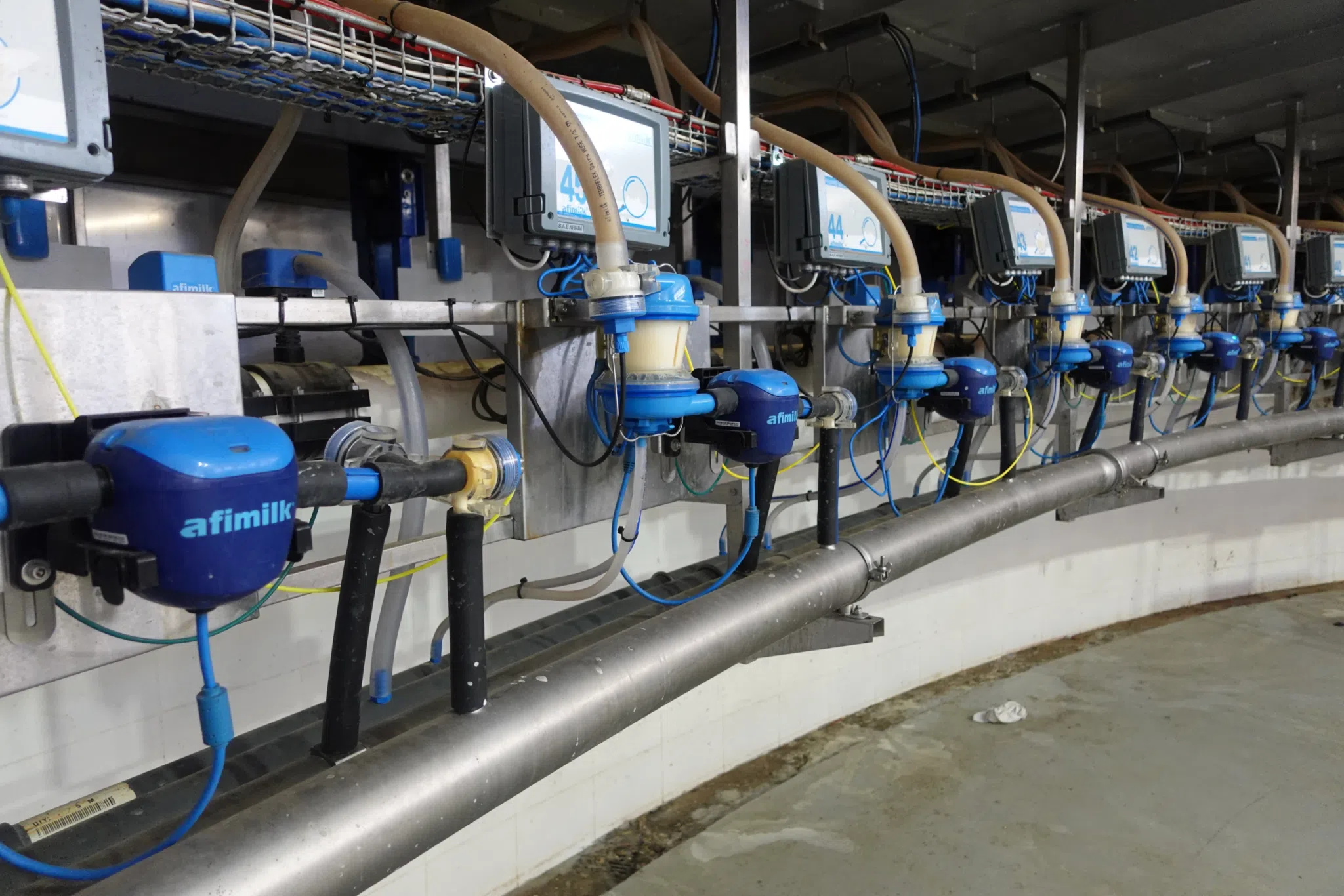
The AfiLab inline milk analyzer is unique because it continuously measures fat, protein and lactose in real time during every milking session. Because it operates using near-infrared spectroscopy without the need for additional costly reagents, it serves as a powerful, cost-effective diagnostic tool right in the milking stall and supports advanced inline milk analysis in dairy operations. It also features immediate blood detection capabilities, allowing for automatic unit detachment that saves the entire bulk milk tank from contamination.
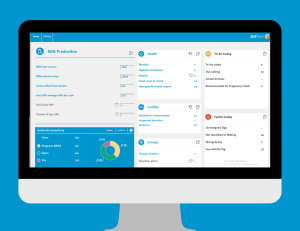
The financial impact of late disease detection is severe. Clinical mastitis averages over $300 per case, while subclinical ketosis and sub-acute rumen acidosis (SARA) each cost a herd roughly $100 per cow annually. By constantly monitoring the ratio of fat to protein alongside lactose levels, producers can identify and intercept these health challenges long before clinical signs appear and major milk losses occur. For instance, a drop in lactose can flag a cow for mastitis even before conductivity changes or clinical symptoms arise.
Farms utilizing this technology see an average gain of about $200 per cow per year by avoiding the losses associated with these common diseases.
The return on investment for this proactive intelligence is substantial. Farms utilizing this dairy herd health monitoring technology see an average gain of about $200 per cow per year by avoiding the losses associated with these common diseases. For an average parlor setup, this equates to a return of roughly $5,000 per milking stall annually. With a system break-even point of just 14 months, the financial argument for real-time milk analysis is undeniable. It acts as an invaluable insurance policy that protects herd health and secures the dairy’s long-term profitability.